Why Many Men Avoid Their Emotions
Many men want to be strong and capable. You want to handle life, provide for the people who depend on you, and protect what matters. You take pride in being reliable and getting things done, even when things are stressful.
There’s another side of life that doesn’t get as much attention. Your inner world. Your thoughts, emotions, and the mental load you carry every day. For many men, this is where things get complicated, not because emotions don’t exist, but because they were never taught how to recognize them. Therapy for men can help with connecting and understanding your emotions.
The Emotions Men Learn to Notice
Most men can easily identify emotions like anger, frustration, or irritability. These feelings are loud and obvious. They show up clearly in your body and your behavior. You know when you’re annoyed or short-tempered.
There are other emotions that don’t announce themselves the same way. Feelings like sadness, shame, fear, or self-doubt tend to be quieter and more subtle. They don’t demand attention. They sit underneath the surface.
These emotions are also harder to admit, even to yourself. Many men learn early on that acknowledging these feelings is uncomfortable or risky. So instead of noticing them, you push past them or ignore them altogether.
What Happens When Emotions Go Unrecognized

When you choose not to feel uncomfortable emotions, it doesn’t mean they disappear. It just means you’re no longer aware of how they’re influencing your life.
Unrecognized emotions still shape how you react, how you make decisions, and how you relate to others. You may feel stuck, stressed, or frustrated without knowing why. It can be easy to blame yourself, blame other people, or assume you just need to work harder.
Many men respond by pushing themselves more. You stay busy. You overwork. You try to power through instead of slowing down to understand what’s actually going on. Without awareness, finding a real solution becomes difficult.
Why Therapy Can Feel Uncomfortable for Men
It’s completely normal for men to feel hesitant or resistant to therapy. Therapy asks you to face emotions you’ve learned to avoid. It asks you to slow down and connect with parts of yourself that may feel unfamiliar or unsafe.
For many men, this feels risky. Emotions like sadness, fear, or shame can feel like weakness or failure. You may worry that opening up means losing control or not living up to the expectations you’ve placed on yourself.
Connecting with your emotions isn’t a weakness. It’s a skill that most men were never taught.
How Emotional Awareness Builds Real Strength
Learning how to notice what’s happening inside of you gives you insight. That insight creates choice. Instead of reacting automatically, you can respond with intention.
Think about a time you felt overwhelmed or frustrated, whether at work, at home, or just in your own head. Without recognizing the quieter emotions underneath, it’s easy to act out of stress or pressure. You might shut down, get irritated, or push yourself past your limits.
When you start noticing emotions like fear, sadness, or self-doubt, things shift. You begin to understand why certain situations hit harder than others. You gain control not by suppressing feelings, but by understanding them.
This is what real strength looks like. Not ignoring what’s happening inside, but being able to respond instead of react.
The Problem With Ignoring What You Can’t See
When something is invisible, it’s easy to assume it doesn’t exist. That’s true for emotions, too.
If you don’t recognize what you’re feeling, those emotions still influence your behavior. They shape how you handle stress, how you communicate, and how you make decisions. You may feel like you’re constantly managing life without ever feeling settled.
Avoiding emotions doesn’t protect you from them. It just keeps them out of reach.
A Simple Way to Start Connecting to Your Emotions
You don’t need to dive into everything at once. Start small.
Today, notice one feeling. It might be frustration, tension, heaviness, or restlessness. You don’t need to name it perfectly. Just notice that it’s there.
Then ask yourself a simple question: What’s really going on here?
You’re not trying to fix anything right away. You’re building awareness. And awareness is the first step toward real change, strength, and control over your life.
How Therapy for Men in Utah Can Help
Therapy gives you a space to slow down and reflect. It helps you understand what’s happening beneath the surface so you can make sense of your reactions and patterns.
You don’t have to become someone else. You don’t have to give up being strong or capable. Therapy helps you use those qualities with more clarity and intention.
Start working with a men’s therapist in Utah
If you’re a man in Utah and this resonates with you, whether you feel resistant to therapy or simply want to understand yourself better, support is available. You can start with a free consultation and see if it feels like a good fit.
Real strength isn’t just about working harder or appearing tough. It’s about noticing, understanding, and showing up for yourself.
Online Therapy in Utah

Many men worry that online therapy in Utah won’t feel the same as meeting in person. You might wonder if you’ll be able to get a sense of the therapist or if important body language will be missed through a screen. These are common concerns, and they make sense. The reality is that research shows online therapy is just as effective as in-person therapy for many issues. Therapists are trained to notice more than body movement. Tone of voice, facial expressions, pauses, and changes in energy all matter, and those are easy to notice online. In some cases, meeting from your own space can actually make therapy feel easier. You don’t have to rush, sit in a waiting room, or switch quickly between work and a session. Many men find they feel more comfortable and open when therapy happens in a familiar place. What matters most is the relationship and the work you do together, not the room you’re sitting in.
At Marcus Hunt Therapy, I work with men across Utah. He serves clients in Salt Lake City, St. George, Provo, Logan, Cedar City, and nearby areas. Online therapy makes it possible to get support without long drives or changing your schedule. Men anywhere in Utah can access consistent care while staying focused on work, family, and daily life.
About the Author
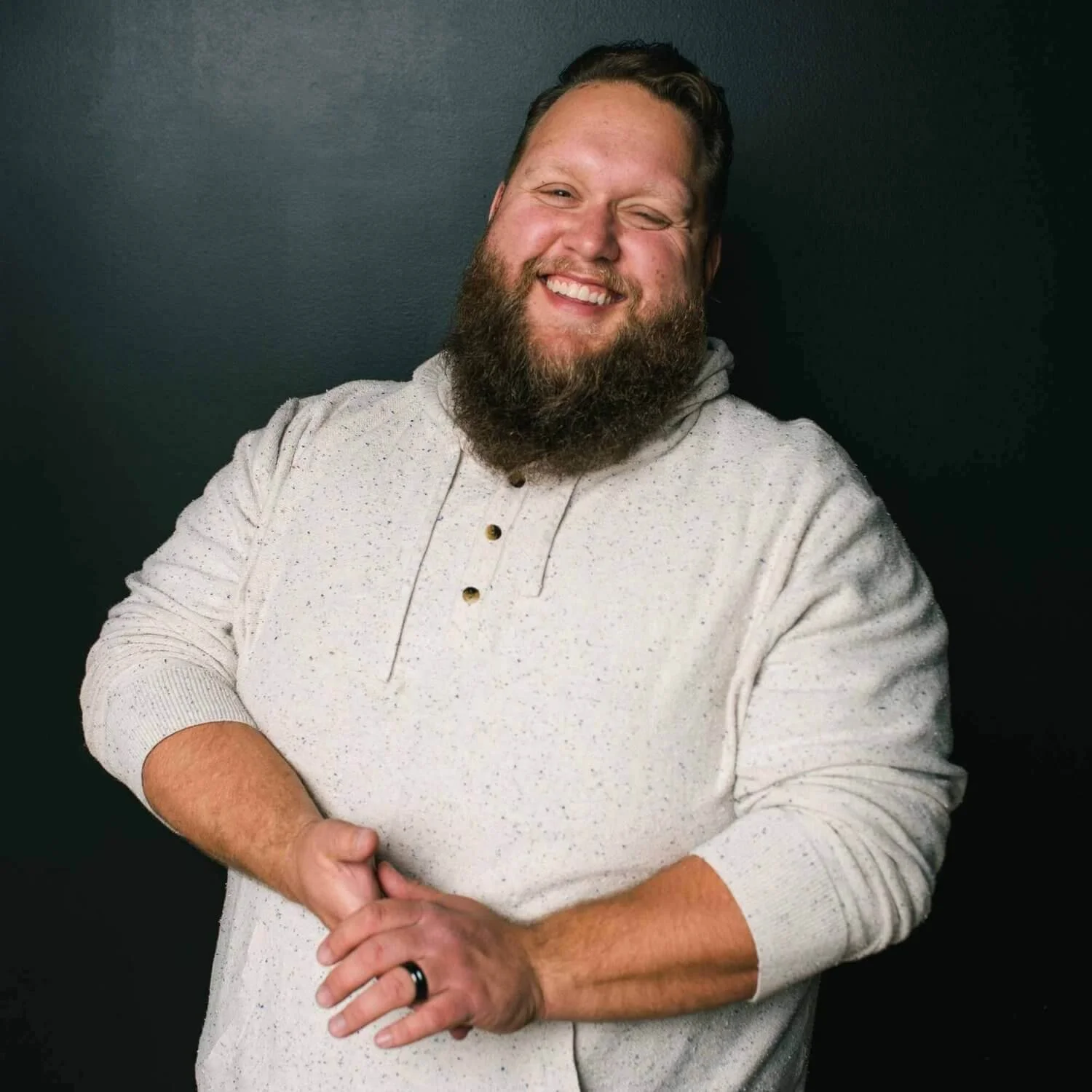
Marcus Hunt is a Marriage and Family Therapist (MFT) with advanced training in emotional health, relationships, and men’s mental health. He holds a master’s degree in Marriage and Family Therapy and a bachelor’s degree in Behavioral Sciences. Marcus works with men who feel pressure to be strong, capable, and in control, often at the cost of their own emotional well-being. His approach helps men understand their emotions, recognize patterns that keep them stuck, and develop healthier ways to respond to stress, relationships, and life challenges. Marcus’s work is grounded in clinical training, emotional awareness, and a deep respect for how men experience and express emotions.